Heart & Vascular

Taking care of your heart and vascular health is one of the most beneficial things you can do for your health.

Trust us with your heart

As a partner of The Christ Hospital Health Network, MMH brings high-quality cardiovascular care from Greater Cincinnati’s Heart Hospital close to home. This offers our patients convenient access to specialists from one of America’s leading heart programs, five days a week at our main hospital campus.

Our primary care providers work closely with the cardiology team from The Christ Hospital Heart & Vascular Institute to create leading-edge, comprehensive treatment plans for patients.

Schedule an appointment:
812.934.6638

The Christ Hospital Health Network

Cardiologists diagnose and treat a variety of cardiac conditions, including:

  • Angina
  • Aortic aneurysm
  • Heart attack
  • Heart failure
  • Heart rhythm disorder
  • Heart valve disease
  • High blood pressure
  • Pulmonary hypertension
  • Vascular disease

Cardiopulmonary services

Heart and lungs

Our cardiopulmonary department combines two specialized areas: the heart and lungs. By working closely with your physician, our cardiopulmonary team, comprised of respiratory therapists, cardiac sonographers and nurses, can help diagnose heart conditions and lung disease or measure progress in disease treatment. With a dedication to providing the highest quality of care and testing, we utilize state-of-the-art technology and ensure our staff receives ongoing education.

The Christ Hospital Chest Pain Network

As an accredited member of The Christ Hospital Chest Pain Network, MMH partners with The Christ Hospital so patients have support to better manage heart disease.

Learn more about available support groups here. 

Screenings and testing

Vascular screening

Our vascular screening assesses a person’s risk for heart disease, diabetes, stroke, aortic aneurysm and peripheral artery disease.

This 30-minute appointment includes limited ultrasound exams of your abdominal aorta and carotid arteries and measures your ankle brachial index (ABI), all of which are useful in determining vascular disease. Screening appointments are available every Tuesday from 7:30-9:30 AM at the main campus. Cost is $49.

A referral is not needed to schedule an appointment for our vascular screening, however the screening is recommended for anyone 60 and older, as well as those 50 and older who experience the following risk factors: high cholesterol, high blood pressure, diabetes, a personal history of smoking or a family history of heart conditions.

To schedule an appointment, call 812.933.5602.

Calcium score test

A calcium score test helps determine the amount of calcified plaque in your heart through a quick and non-invasive CT scan.

Some patients may have plaque without experiencing any symptoms. Your doctor may recommend this test if you are between the ages of 40-70 and experience the following risk factors: a family history of heart disease, obesity, high cholesterol, inactive lifestyle and history of smoking.

This test can assist your healthcare provider in making treatment decisions if you have a borderline risk of heart disease

A cardiologist will discuss your calcium score and a treatment plan with you, if necessary. Scores can range from 0 to over 400, the lower the better. Treatment options include lifestyle changes, a daily aspirin and cholesterol-lowering medications. Talk to your primary care provider if you think a calcium score test is right for you.


Cardiac and pulmonary rehab

Our goal is to help you resume an active, productive life.

If you’ve experienced medical issues with your heart or lungs, our rehab programs can help you regain strength and reduce your risk of future problems. Our facility offers state-of-the-art equipment including treadmills, stationary bicycles, recumbent steppers, rowing machines and free weights.

Whereas cardiac rehab is designed to help you recover from heart conditions (such as a heart attack, coronary artery bypass, valve replacement or stent placement), pulmonary rehab is for people with chronic lung diseases like COPD, emphysema and chronic bronchitis. 

What to expect

Physical activity is an important part of our programs as exercise can improve the function of your heart and lungs. If you’ve never exercised before, don’t worry. We will make sure your program is tailored to meet your needs and moves at a pace that is comfortable and safe for you.

During rehab, we’ll also educate you about such topics as weight loss, nutrition, smoking cessation, blood pressure, medications and pain/fatigue. Another benefit is the camaraderie. Many of our patients say they enjoy getting to know and work out with others who have gone through similar experiences they have.

The facility operates under the direction of a nurse and exercise specialist, with assistance from an overseeing medical director, social workers, dietitians and other health care professionals.

Cardiopulmonary Tests

Echocardiogram

An echocardiogram produces images of your heart so your doctor can see how it’s beating and identify abnormalities. At Margaret Mary, we offer three types – transthoracic, stress and pharmacologic. During a transthoracic echo, a technician will aim an ultrasound beam at your heart to record images for your doctor.

A stress echo is much like a transthoracic echo, however the images of your heart will be taken before and immediately after walking on a treadmill. This is done because some heart problems occur only during physical activity. If you are having a stress echo, make sure you wear comfortable shoes for walking. A pharmacologic echo uses an injection of a medication to make your heart work harder.

If your results are normal, no further testing may be needed. If the results are concerning, you may be referred to a cardiologist for more tests.

Margaret Mary’s Echo Lab is accredited by the Intersocietal Commission for the Accreditation of Echocardiography Laboratories.

A Holter monitor is a small, wearable device that records your heart rhythm. This test, which takes place over 1-3 days, helps detect irregularities in the heart that can not be detected during a quick EKG. During the test, electrodes that are attached to your chest are connected to a recording device. The monitor should not be taken off and can’t get wet. During the test, you can continue your usual daily activities, but you will be asked to keep a diary of everything you do. Once your monitoring period is over, you’ll go back to your doctor’s office to return the Holter monitor. All test results will be sent to your doctor.

A stress test combines the use of an EKG with physical activity. It involves walking on a treadmill while your heart rhythm, blood pressure and breathing are monitored. Electrodes will be placed on your chest, legs and arms, and a blood pressure cuff will be placed on your arm. A stress test is generally safe, and complications are rare. Wear or bring comfortable clothes with you to the test. When finished, you may return to your normal activities.

An electroencephalogram (EEG) is a painless procedure that uses electrodes attached to your scalp to detect electrical activity in your brain. An EEG is used to determine changes in brain activity that may be useful in diagnosing brain disorders, especially epilepsy. You’ll feel little or no discomfort during an EEG.

Pulmonary function tests measure how well the lungs take in and release air and how well they move gases such as oxygen into the body’s circulation. During the test, you breathe into a mouthpiece. Pulmonary function tests are done to diagnose lung disease, measure progress in disease treatment and find the cause of shortness of breath.

Freedom From Smoking Program

If you want to quit smoking, vaping or using smokeless tobacco, MMH now offers a cessation program to help you kick the habit for good.

Developed by the American Lung Association, Freedom From Smoking® is a seven-week group course providing support and tools to prepare you for your Quit Day.

Classes are held at MMH’s cancer center. Cost for the entire seven-week program is $25. To learn more or to register, call 812.933.3776.

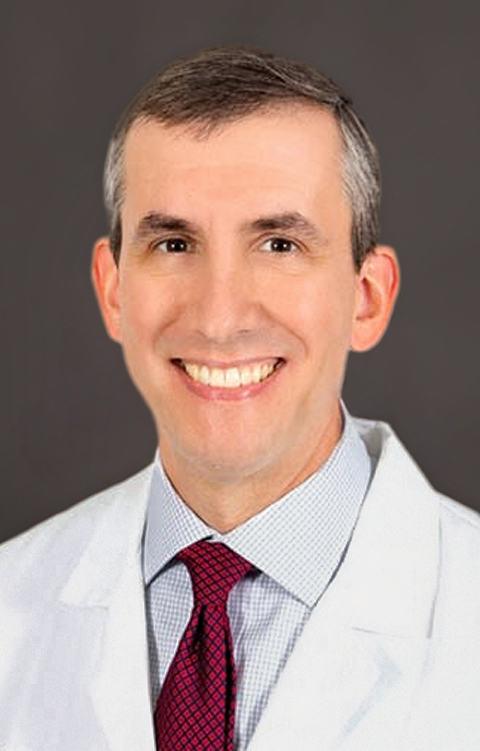
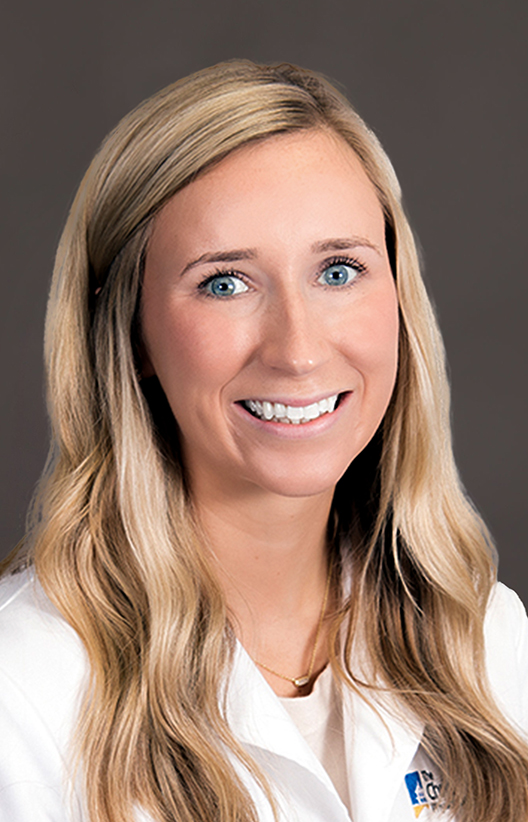
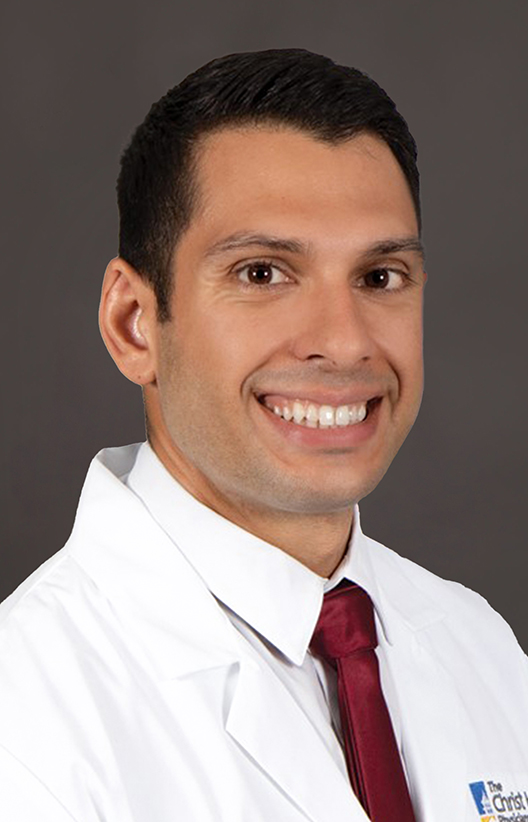
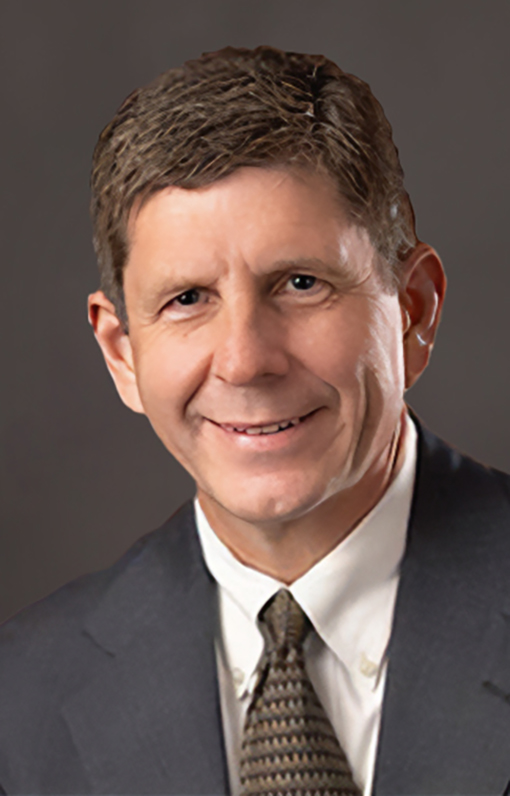
Our providers

Daniel Pelchovitz, MD

Specialty:
Cardiology
Location:
The Christ Hospital - Cardiology

(812) 717-4803

Jason Smith, MD

Specialty:
Cardiology
Location:
The Christ Hospital - Cardiology

(812) 717-4803

Molly Barrows, APRN

Specialty:
Cardiology
Location:
The Christ Hospital - Cardiology

(812) 717-4803

Senan Yasar, MD

Specialty:
Cardiology
Location:
The Christ Hospital - Cardiology

(812) 717-4803

Thomas Broderick, MD

Specialty:
Cardiology
Location:
The Christ Hospital - Cardiology

(812) 717-4803

Thomas Murtaugh, MD

Specialty:
Cardiology
Location:
The Christ Hospital - Cardiology

(812) 717-4803

mmh-logo
mmh-logo